Rimu Kuwaki: Koreeda Sheep in the Box Debut
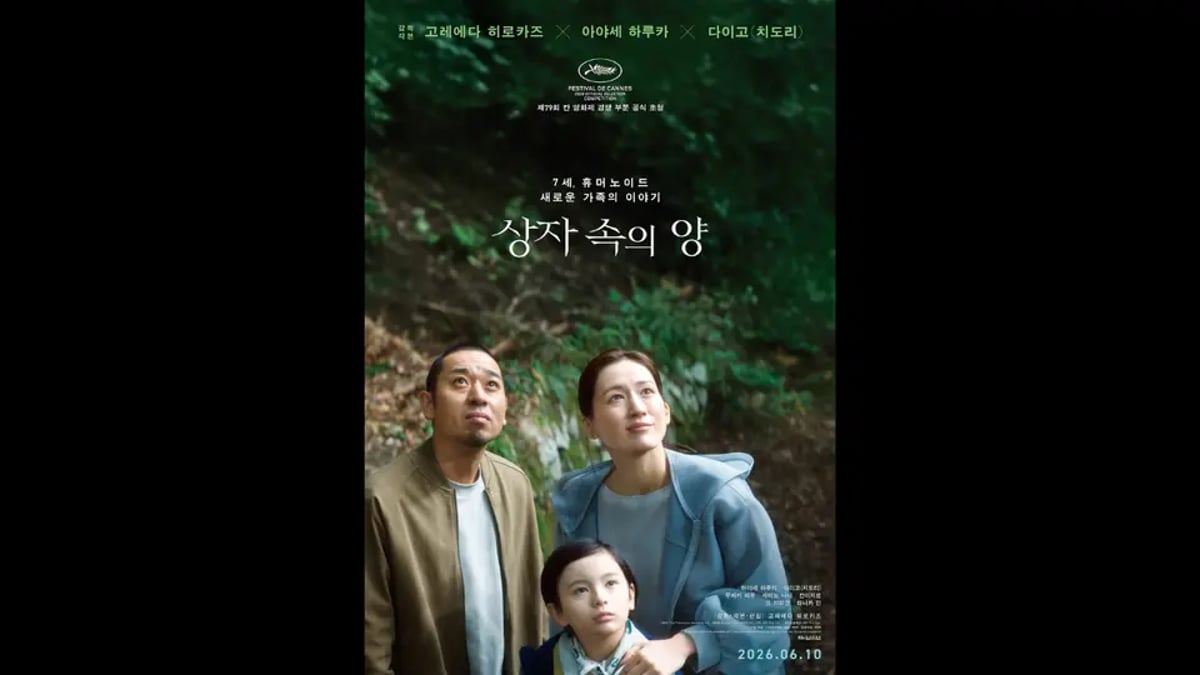
It's a familiar scene at Cannes, isn't it? The buzz, the red carpet, the anticipation for another masterwork from an auteur. But sometimes, amidst the established giants, a new light emerges so vibrantly it reminds you why we endlessly chase these stories. This year, in Hirokazu Koreeda's Competition entry Sheep in the Box, that light is 10-year-old Rimu Kuwaki, making a debut that has already captured attention. For an industry that often grapples with the pressures of performance and the search for authentic talent, Kuwaki's journey into Koreeda's latest feels like a quiet, yet profound, affirmation of filmmaking itself, a testament to how the right director can nurture raw, untrained brilliance.
Koreeda, as many of us know well, is a regular, almost an institution, at the Cannes Film Festival. His filmography consistently explores the intricate tapestries of life, death, and the often-fraught complexities of parenting. From the tender observations in Shoplifters to the delicate emotional landscapes of Still Walking, his films resonate because they're deeply human, relentlessly exploring what it means to be a family, biological or otherwise. This consistent thematic thread makes his choice to weave a sci-fi element into Sheep in the Box particularly intriguing. It’s not just a genre shift; it's Koreeda asking, as only he can, how these fundamental human questions might warp, bend, or even strengthen when viewed through the lens of artificial intelligence and loss. For the festival wider conversation around AI on screen, see our report on the Cannes Film Market Human Provenance disclosure.
And at the heart of this exploration is Rimu Kuwaki, playing a character described as a "savvy robot child surrogate." Think about that. A humanoid, designed to replace a child lost to accident, navigating the emotional minefield of a grieving family. For a seasoned actor, portraying such a role would require a delicate balance of mechanical precision and profound emotional depth. For a newcomer, especially one who will turn 10 during the festival, it's an extraordinary undertaking. Kuwaki himself clarifies his role: "I play a humanoid who looks exactly like their child, who died in an accident, and continues living in their place." This concise description immediately throws into sharp relief the weight of the performance demanded, and the profound questions Koreeda is posing about grief, identity, and the very nature of human connection. What does it mean to mourn, to replace, to accept an ersatz being as your own? These are the narratives that linger long after the credits roll, the kind that define a festival experience.
Kuwaki's casting story itself speaks volumes about the pragmatic realities of filmmaking and the director's intuition. He was selected from over 200 hopefuls, a staggering number for any role, but particularly for one of such central importance to a Cannes Competition film. What's even more remarkable? He had "next to no acting experience." As he candidly admits, "I've never really had any acting lessons, almost none, to be honest, but I have appeared in one drama series. The lines were basically just me being myself, so I’m not sure if you could really call it acting." This isn't just a charming anecdote; it's a window into Koreeda's directorial approach. It suggests a trust in instinct, a keen eye for raw presence over polished technique, and a willingness to shape a performance on set rather than rely on pre-existing training. (For a craft-side companion piece on guiding actors from script to dailies, see Directing Actors 2026.) It’s akin to how often, especially in indie spaces, we might cast based on a certain je ne sais quoi, a spark that simply is rather than something that has been painstakingly taught. That authenticity, that undefinable quality, is often what elevates a nuanced performance, especially in films exploring such intimate territory.
The actor’s account of working with Koreeda illuminates the director's gentle, encouraging methodology a stark contrast to some of the more demanding, or even tyrannical, approaches we’ve heard about in cinema history. Kuwaki describes Koreeda as "very kind," noting, "He would encourage me by saying, 'Let’s do our best,' so any feelings of fear or embarrassment just disappear." This kind of empathetic direction is invaluable, particularly when working with young or inexperienced talent. It creates an atmosphere of trust, allowing the performer to shed inhibitions and simply be. The anecdote about Koreeda’s post-take feedback, "'That was really great,' which made me so happy and motivated me to do my best again the next day," speaks to a positive reinforcement loop, carefully cultivating confidence. This approach can be particularly impactful when trying to coax natural, unforced reactions from someone who might otherwise feel overwhelmed by the machinery of a film set.
Of course, even with the most supportive direction, the nuances of playing a humanoid offered its own learning curve. Kuwaki’s charming recollections of production are telling. "Sometimes I got a bit too excited and started running around," he recalls, "and I was told, 'Robots aren’t supposed to sweat.' And when I had a little bit food around my mouth, the crew said, 'Robots don’t eat sweets, right?' So I realized I had to be more careful." These small, human moments of breaking character offer a glimpse into the constant vigilance required to maintain the specific physicality and emotional containment of his role. It highlights the kind of detailed, almost microscopic, feedback that a director and crew provide to sculpt a performance, especially when dealing with such a unique character concept. It’s a process of gentle refinement, slowly whittling away the 'human' urges to reveal the 'robot' beneath, without losing the inherent spark that made Kuwaki castable in the first place. This is not about stifling creativity, but about directing its flow within precise narrative parameters.
The connection between Kuwaki and his on-screen parents, Haruka Ayase and Daigo (of comedy duo Chidori), also played a crucial role in grounding his performance. The emphasis on fostering authentic relationships, even for a child actor playing a non-human character, reveals a fundamental understanding of performance. "They’re kind, beautiful, and cool, I love them very much," Kuwaki enthuses. The efforts made to build this connection, including "spending time together having meals, looking at photos of me as a baby, and even giving each other shoulder massages," are practical steps that many filmmakers take to create on-screen chemistry. It’s a testament to the belief that genuine human connection, even off-camera, translates into more believable interactions once the cameras roll. This approach, favoring immersive relationship building, is a cornerstone of many character-driven productions. It reminds us that often, the best performances aren't "acted" but rather lived into being through sustained interaction and trust. Kuwaki’s reflections on learning from their performances, being "moved by their facial expressions and movements... It made me realize how amazing acting can be," indicates a deep observational learning process, absorbing the craft through osmosis from seasoned professionals.
For those of us who have toiled in the trenches of independent filmmaking, struggling to cast, direct, and motivate talent, Kuwaki's story is particularly inspiring. It underscores that sometimes, the most profound performances come from unexpected places. It’s not always about the most experienced or the most famous but about finding that essential spark, that raw authenticity, and then providing the environment for it to flourish. Koreeda's ability to identify and then gently guide this nascent talent through a complex, emotionally charged role speaks volumes about his expertise as a director. It also puts a spotlight on the festival’s enduring role as a platform for discovery, not just of films, but of the fresh faces who will shape the future of cinema. Indeed, the festival thrives on these moments of revelation, reminding us why we trek to places like Cannes, year after year, hoping to catch that first glimpse of something truly special.
And for Kuwaki himself, Sheep in the Box is clearly just the beginning. His ambition is both earnest and delightful: "I like both watching movies and acting in them, and I hope to continue acting in the future. I’ve already told my family about my decision, and I’m going to do my best to appear in three more films." This kind of passion, unburdened by the cynicism that can sometimes creep into our industry, is refreshing. It’s a pure, unadulterated love for the medium, coupled with the focused determination of a child already planning his next steps. Coupled with his diverse interests ("baseball, soccer, video games, golf, dancing and fishing") he represents a well-rounded individual whose curiosity will undoubtedly fuel his creative endeavors. This mix of innocence, dedication, and a deep, intuitive understanding of the experience speaks to the kind of talent that can genuinely evolve and contribute meaningfully to complex narratives.
Koreeda’s latest, with Kuwaki at its core, is a reminder that beyond the technical marvels and the grand cinematic statements, the beating heart of film often lies in its performers. It lies in the human, and sometimes in the almost-human, stories they tell and the emotional truths they uncover. To see such a young actor navigate material of this depth, under the careful guidance of a master like Koreeda, is an exciting prospect for anyone invested in the craft of filmmaking. It offers a glimpse into the making of a potentially powerful narrative and perhaps, the emergence of a new cinematic voice, albeit one who is still learning not to sweat.
In a global film landscape that can sometimes feel focused on established names, the discovery and showcasing of talent like Rimu Kuwaki at a venue as prestigious as Cannes, especially in a competition entry, reinforces the festival's commitment to nurturing the future of cinema. It’s about taking a chance on potential, recognizing that sometimes the most compelling performances come from those closest to the heart of a story, regardless of experience. It highlights the enduring power of a director’s vision to see beyond the conventional, to find the perfect vessel for a narrative, whether it's a seasoned veteran or a 10-year-old with a knack for playing a robot that looks exactly like a lost child.
---
© 2026 BlockReel DAO. All rights reserved. Licensed under CC BY-NC-ND 4.0 • No AI Training. Originally published on BlockReel DAO.