Dereck Joubert's ASC Nod and the Shifting Landscape of Cinematography
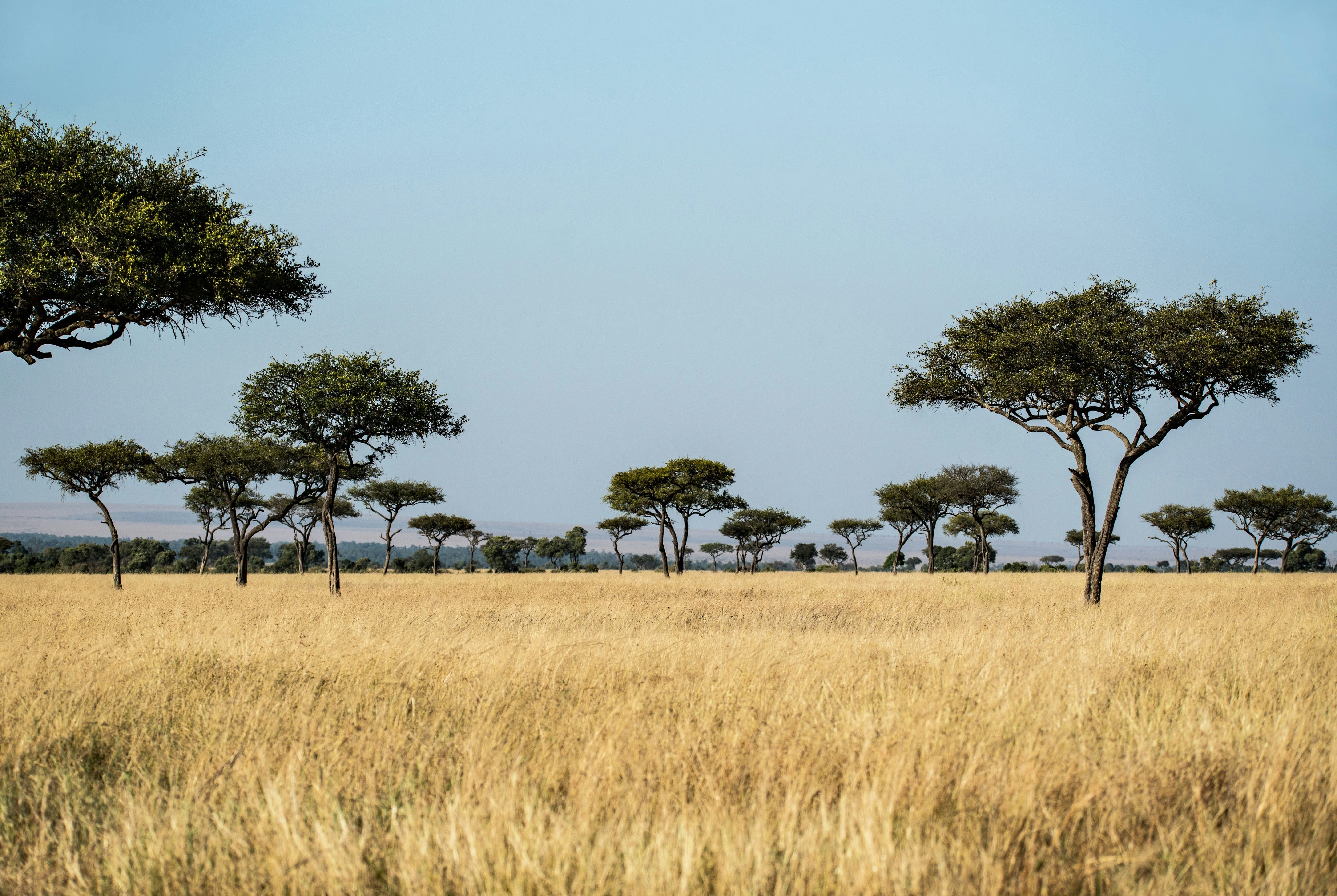
Beyond the Savanna: Dereck Joubert's ASC Nod and the Shifting Landscape of Cinematography
The news that Dereck Joubert has formally been welcomed into the hallowed ranks of the American Society of Cinematographers recently dropped, and for those of us who spend our days wrestling with narrative arcs or the existential dread of indie budgets, it might have initially felt like a curio from a different world. Wildlife cinematography, we sometimes dismissively muse, involves different beasts altogether, literally. But this isn't just a feel-good story about a conservationist getting his due; it's a profound statement, perhaps a belated one, about the evolving definition of what constitutes master-level cinematography and, more critically, what challenges true excellence.
The Long Lens of Recognition: What Joubert's ASC Acceptance Really Means
When the ASC, that venerable institution founded by cinematographers for cinematographers, opens its doors, we typically imagine it's for those DPs whose work consistently graces the silver screens or the prestige streaming platforms. They're the maestros of anamorphic compression, the sculptors of shallow depth-of-field, the architects of meticulously lit sets that sometimes cost more than a small nation's GDP. Dereck Joubert, with his Emmy-winning pedigree in the fiercely competitive world of wildlife and conservation documentary filmmaking, represents a distinct, yet equally demanding, facet of our craft. This isn't HMI vs. LED discussions; this is about surviving malaria while waiting three weeks for a puma to make an appearance, often in light conditions that would send most gaffers into early retirement.
His admission acknowledges that the challenges of capturing genuinely cinematic images in uncontrolled, unpredictable, and often hostile environments are as formidable, if not more so, than those faced on a soundstage. Think about it: a narrative DP can call for another take, adjust the sun with silks and diffusion, or simply rewrite a scene if the light isn't cooperating. Joubert and his peers? They get one shot, maybe, and they're often doing it while battling dust, extreme temperatures, and creatures that aren't particularly concerned with their camera settings. The technical mastery required to capture critical moments under such duress, often at extreme focal lengths that magnify every vibration and atmospheric aberration, is, frankly, astounding. It speaks to a deep, instinctive understanding of light, composition, and crucially, the behavior of subjects that cannot be directed.
The Untamed Set: Technical Prowess in the Wild
Joubert's body of work, particularly features like 'Reflections on Elephants' and the 'Great Cats' series (which includes titles such as 'Eternal Enemies: Lions and Hyenas'), demonstrates not just patience, but a profound technical fluency. We're talking about maintaining focus and precise framing on subjects moving erratically at significant distances, often requiring custom-built rigs and stabilization systems that make a Steadicam look like a child's toy. The lens choices alone are a masterclass: how do you balance resolution and light-gathering capability with the immense reach needed for secretive wildlife, while also contending with the optical compromises inherent in extreme long lenses? The answer usually involves exotic glass, often proprietary or modified, married to camera bodies pushed to their absolute limits in terms of ISO performance and dynamic range.
Consider the challenge of shooting an elephant sequence for 'Reflections on Elephants.' You're not asking for the beast to "hit its mark." You're tracking it across vast plains, often through heat haze, dust, or pouring rain. The camera sensor needs to resolve fine detail in varied light, from glaring midday sun to the dwindling light of dusk where an f/4 lens suddenly feels like f/22. Many of these productions utilize cameras like the RED Ranger or ARRI ALEXA Mini LF, sometimes housed in custom aerospace-grade gyrostabilized mounts, often deployed from helicopters or specialized off-road vehicles. The workflow involves meticulously managing massive data streams from RAW files captured in situations where data offload might mean powering a mobile DIT station in the middle of nowhere, relying solely on solar panels or generators. It's not uncommon for these productions to accumulate petabytes of footage over months or years, requiring bespoke digital asset management strategies years ahead of some major studio features.
And then there's the lighting. Forget your intricate fresnel setups or your LED panels. Joubert's canvas is entirely natural light, but he reads it, he understands it in a way that allows him to anticipate the most visually compelling moments. He's not just documenting; he's composing. His frames are often painterly, evoking a sense of drama and intimacy that transcends mere observation. That requires a near-clairvoyant understanding of solar paths, atmospheric conditions, and how light will interact with fur, skin, and environment. Much like a narrative DP understands how a practical lamp will shape an actor's face, Joubert understands how a low sun will rake across a lion's mane or define the texture of an elephant's hide, creating dimensionality and emotional resonance.
The Conservation Context: More Than Just Pretty Pictures
The "why" behind Joubert's work is as salient as the "how." These aren't just nature films; they are urgent calls to action. The aesthetic choices are deeply intertwined with the conservation message. If the images aren't compelling, if they don't evoke empathy and wonder, then the message becomes inert. This is where the artistry elevates beyond mere technical proficiency. The choice of lens to create a shallow depth of field, rendering the majestic animal in stark relief against its blurred habitat, isn't just a stylistic preference; it’s a deliberate choice to isolate, to highlight, to make the viewer feel the singular presence of that creature. The color grading, often reflecting the muted, naturalistic tones of the African bush, roots the experience in authenticity, avoiding any hint of artificiality that might undermine the verisimilitude of the conservation message.
A few years ago, I had a drink with a visual effects supervisor who’d worked on one of those sprawling nature doc series, you know the ones, where every animal seems to be auditioning for a perfume commercial. He pointed out that while we often fret about matching practical lighting to VFX plates, the ultimate challenge for nature filmmakers is that there are no plates. The entire world is the plate, and consistency over weeks, months, or even years, across vastly different weather conditions, speaks to an organizational and technical rigor that is genuinely humbling. Building a detailed log of every shot's light conditions, time of day, and even atmospheric details becomes critical for post-production continuity, especially when different scenes filmed months apart need to blend seamlessly for narrative flow.
This approach subtly but powerfully influences audience perception. When you spend months, even years, embedded with a pride of lions, your resulting footage carries an authenticity that can't be replicated on a soundstage, even with the most sophisticated animal actors and VFX. This authenticity, forged in hardship and patience, is what makes the conservation message resonate. It’s the difference between seeing a beautiful image and feeling connected to the subject. This emotional connection is, arguably, the most potent tool in the conservationist's arsenal, and it is wielded with exceptional skill by cinematographers like Joubert.
Broader Implications for the Craft
Joubert's ASC membership opens a door for a segment of our industry that has, perhaps unfairly, been relegated to a separate category. It highlights that the tenets of masterful cinematography, understanding light, composition, storytelling through visuals, and technical execution under pressure, are universal, regardless of whether your subject is Meryl Streep or a black rhino. It underscores the fact that cinematographers are problem-solvers, and the problems faced in remote wilderness are often far more complex and unpredictable than those on a closed set.
This recognition also implicitly argues for the value of sustained, long-form observation in an era increasingly dominated by quick, consumable content. Joubert's projects are the antithesis of the TikTok aesthetic; they demand time, patience, and a deep respect for the subject matter. They are a testament to the power of the cinematic image, not just for entertainment, but for profound social and environmental impact.
As our industry grapples with new challenges, from virtual production workflows to the ever-present pressures of budget and schedule, perhaps there's something to be learned from those who ply their trade in terrains where compromise isn't an option. The sheer logistical hurdles overcome on a wildlife shoot, powering equipment, securing locations (often entire ecosystems), protecting crew, managing data, all while dealing with non-compliant talent, make the standard narrative shoot's complexities seem almost quaint by comparison. This is a cinematographer using every tool in the kit, adapting on the fly, and consistently delivering images that are both breathtakingly beautiful and vitally important.
When we talk about mastering the art of visual storytelling, it's often framed within the context of narrative cinema. But Joubert's work is visual storytelling in its purest form, often without dialogue, relying solely on the power of the image to convey emotion, drama, and narrative progression. Understanding dynamic range becomes not just a technical spec, but a fundamental requirement when capturing fleeting moments from harsh sunlight to deep shadow, where detail recovery means the difference between a throwaway shot and a pivotal scene. His inclusion in the ASC serves as a vital reminder that the pursuit of photographic excellence comes in many forms, and some of the most compelling visual narratives are unfolding far from Hollywood's grip, demanding an equal, if not greater, degree of mastery and commitment.
---
© 2026 BlockReel DAO. All rights reserved. Licensed under CC BY-NC-ND 4.0 • No AI Training. Originally published on BlockReel DAO.