Park Chan-wook's Western: Brigands of Rattlecreek Cast
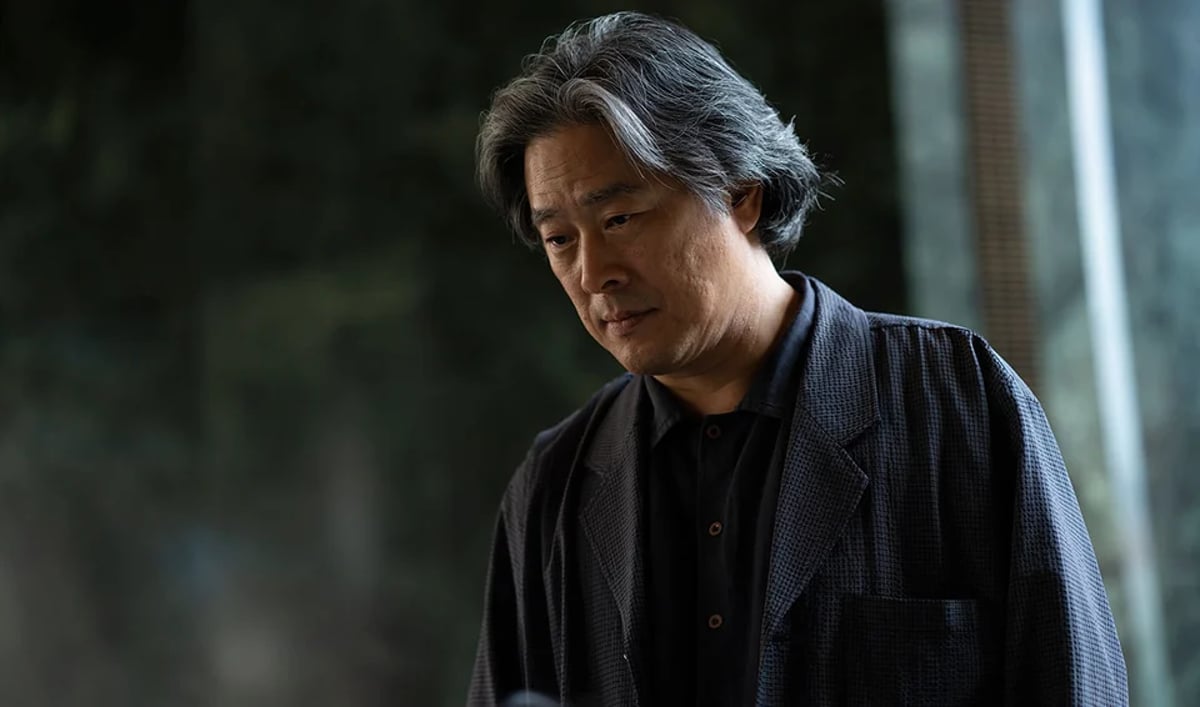
Park Chan-wook, the director whose filmography includes cinematic benchmarks like Oldboy and The Handmaiden, is attached to direct a new Western thriller titled The Brigands of Rattlecreek. According to trade reporting, the project has assembled a formidable cast featuring Oscar winner Matthew McConaughey, Oscar nominee Austin Butler, Emmy nominee Pedro Pascal, and Chinese star Tang Wei. This ensemble, under Park’s direction, suggests a venture into a genre that, while not entirely outside his thematic concerns, represents a distinct shift in setting and established conventions.
The film, described in trade synopses as an iconic tale of vengeance and retribution set in the American West, positions itself squarely within a genre defined by its confrontations with justice, morality, and the unforgiving landscape. Filmmakers approaching the Western today inevitably grapple with the genre's deeply entrenched visual language and narrative beats, often seeking to either subvert or recontextualize them. Considering Park’s meticulous visual storytelling and penchant for exploring dark, complex emotional landscapes, his interpretation of the American West is poised to be anything but traditional. One can anticipate a Western with the visual precision and psychological depth that marks his previous works.
Park will not only direct but also adapt the original screenplay penned by S. Craig Zahler, known for his gritty, often brutal genre explorations in films such as Dragged Across Concrete and Bone Tomahawk. Zahler’s sensibilities, characterized by stark realism and a willingness to confront the harsh realities of violence, could prove a potent combination with Park’s more stylized, psychologically intense approach. The collaboration between a director celebrated for baroque elegance and a writer known for unsparing naturalism raises immediate questions about the film's aesthetic and thematic balance. Will Zahler’s stark brutality be filtered through Park’s intricate visual design, or will Park lean into a more raw, visceral style? These are the kinds of questions that make a project like this particularly compelling for industry observers.
The film is currently a hot package expected to hit the market during the Cannes Film Festival, an event where Park himself is set to preside over the competition jury. This timing ensures The Brigands of Rattlecreek will garner significant attention from international distributors and financiers, riding on the elevated profile Park carries into the festival. International sales and packaging are being handled by 193, a Legendary-backed sales and production label led by Patrick Wachsberger. The involvement of such seasoned industry players further underscores the commercial ambition behind this artistic endeavor.
The project can be read as a capstone of Park Chan-wook’s recurring preoccupations, an emotionally charged meditation on the consequences of violence, the value of family, the power of memory, and the true cost of life. These elements are prevalent throughout his filmography. The intricate revenge narratives in Oldboy and Lady Vengeance delve deep into the psychological ramifications of violent acts and the corrosive power of memory. Family dynamics, often twisted and complex, are central to films like The Handmaiden, where societal structures and personal desires clash. The cost of life is a theme implicitly or explicitly explored in nearly all of Park's narratives, where characters are often pushed to extreme limits, forcing a reckoning with their actions and their mortality.
One might consider how a director renowned for tightly constructed, often claustrophobic narratives will translate his style to the expansive, often barren landscapes of the American West. The visual language of the Western, traditionally leaning on wide shots, natural light, and a palpable sense of isolation, stands in contrast to the more intricate, often symmetrical compositions and controlled environments found in much of Park’s previous work. Will he embrace the vastness, or find ways to impose his signature visual density onto this new canvas? Consider the meticulous production design and almost painterly cinematography of a film like The Handmaiden, where every frame is packed with detail and symbolic meaning. How would such an approach manifest in a dusty, sun-baked frontier town?
The involvement of Matthew McConaughey, Austin Butler, Pedro Pascal, and Tang Wei naturally brings a diverse range of acting styles to the project. McConaughey, with his distinctive drawl and understated intensity, has a history of commanding complex, morally ambiguous roles, which aligns well with the genre's anti-hero archetypes. Butler, fresh off his Oscar-nominated performance, carries a certain brooding charisma that could be effectively leveraged in a Western setting. Pascal, whose work often balances ruggedness with emotional vulnerability, could offer a nuanced portrayal of a character navigating the harsh realities of the frontier. Tang Wei, an acclaimed actress from Chinese cinema, brings an international dimension to the cast that could further broaden the film's appeal and thematic scope. Her presence also raises intriguing possibilities regarding character dynamics and cultural intersections within the narrative. The specific roles these actors will inhabit are, as yet, undisclosed, but the combination itself promises a powerful dramatic core.
The film is produced by Park Chan-wook and Bradley Fischer (whose credits include David Fincher’s Zodiac), with Park’s Moho Film and 193 backing the production. Additional executive and producing credits, including longtime collaborators tied to Moho Film, are expected to be confirmed as the package moves forward. A producer like Bradley Fischer, with experience on a complex, period-heavy thriller like Zodiac, would be attuned to the demands of a Western requiring intricate world-building and attention to historical detail. It’s a testament to Park’s standing that he can attract such a formidable team both in front of and behind the camera.
The casting of Tang Wei, whose last collaboration with Park was on the acclaimed Decision to Leave, is particularly noteworthy. That film showcased Park’s ability to draw subtle, complex performances, and her return suggests a strong working relationship and a shared artistic vision. For filmmakers and cinematographers, the question of how a director maintains a consistent aesthetic and thematic thread while venturing into different genres is always a point of fascination. Park has shown an enduring commitment to exploring themes of revenge, obsession, and moral ambiguity, albeit through diverse aesthetic lenses. His foray into the Western genre with The Brigands of Rattlecreek provides another fascinating opportunity to observe this evolution.
The Western genre, by its very nature, often presents immense opportunities for striking cinematography. From the stark, epic vistas captured by cinematographers like Roger Deakins in True Grit to the atmospheric, moody lighting in Sergio Leone's spaghetti Westerns, the genre often foregrounds visual storytelling. A director of Park’s visual caliber, collaborating with a seasoned cinematographer (one whose name is yet to be announced, but will undoubtedly be a crucial choice) will deliver a visually distinct Western. One could imagine Park employing his signature close-ups and precise blocking within the expansive framework of the frontier, or even subverting genre expectations by injecting unexpected visual textures and color palettes into the traditional Western aesthetic. The question of how he and his eventual cinematographer will balance the raw realism often associated with the American West with Park’s distinctive visual artistry will be critical.
The film's journey to the market during the Cannes Film Festival is not just about sales; it's about signaling intent. Launching a project of this scale and ambition during an event of Cannes' stature, with the director serving as jury president, underscores the confidence the creative team and sales agents have in the material. It positions The Brigands of Rattlecreek as a major international offering, catering to distributors seeking prestige projects with commercial appeal. This is the kind of convergence of artistic prestige and market savvy that defines much of the high-level independent film landscape today.
For those tracking directorial careers and their artistic trajectories, Park Chan-wook’s pivot to a Western, particularly one with such a strong cast and thematic description, offers a compelling case study. Directors often risk alienating their established fan base or stumbling when they move too far from their comfort zone. However, Park’s history suggests a filmmaker who is consistently challenging himself while maintaining a firm grip on his core artistic identity. His continued meditation on the consequences of violence, the value of family, the power of memory, and the true cost of life, now relocated to the American West, will be fascinating to watch unfold. The genre provides fertile ground for these themes, often personified through solitary figures, struggling communities, and vast, indifferent landscapes that magnify human conflict. It is a canvas on which some of the most profound inquiries into the human condition have been painted, and Park seems intent on adding his distinctive strokes.
The mere existence of a project like The Brigands of Rattlecreek prompts discussions among industry professionals about the continued relevance and adaptability of the Western. Can a director from outside the traditional Anglo-American filmmaking tradition bring a fresh perspective without resorting to pastiche? Park’s track record, defined by a unique fusion of Eastern and Western cinematic influences, suggests a strong possibility. He has consistently demonstrated an ability to take established narrative forms and imbue them with psychological depth and visual inventiveness. This new film could be a significant entry not just in his filmography, but in the evolving canon of the Western genre itself.
As the film moves from hot package to production, the real craft of adapting a Western will begin. Location scouting, costume design, and production design will all play critical roles in establishing the authenticity and unique aesthetic of Park's vision of the American West. The choice of shooting format, whether digital cinematography or film, will also have significant implications for the texture and mood of the final product. Will Park opt for the sharp, pristine imagery characteristic of many contemporary digital productions, or will he embrace the grain and organic qualities of film to evoke a sense of historical authenticity? These technical decisions, made early in pre-production, are as crucial as the casting, shaping the very feel of the narrative.
The Western genre has, over the decades, seen periods of resurgence and re-evaluation. With established directors like the Coen Brothers crafting True Grit and others exploring revisionist Westerns, the genre continues to offer fertile ground for dramatic exploration. Park’s entry into this landscape is a notable development, promising a film that, if his past work is any indication, will be both intellectually stimulating and visually arresting, pushing the boundaries of what a modern Western can be. The convergence of a director of his caliber with such a distinctive cast and a genre ripe for reinterpretation could result in a powerful cinematic statement. The industry will be watching closely as The Brigands of Rattlecreek progresses, eager to see how Park applies his unique vision to one of cinema’s most enduring genres.
---
© 2026 BlockReel DAO. All rights reserved. Licensed under CC BY-NC-ND 4.0 • No AI Training. Originally published on BlockReel DAO.