Rain, Smoke & Haze on Set: Safety and Continuity Guide
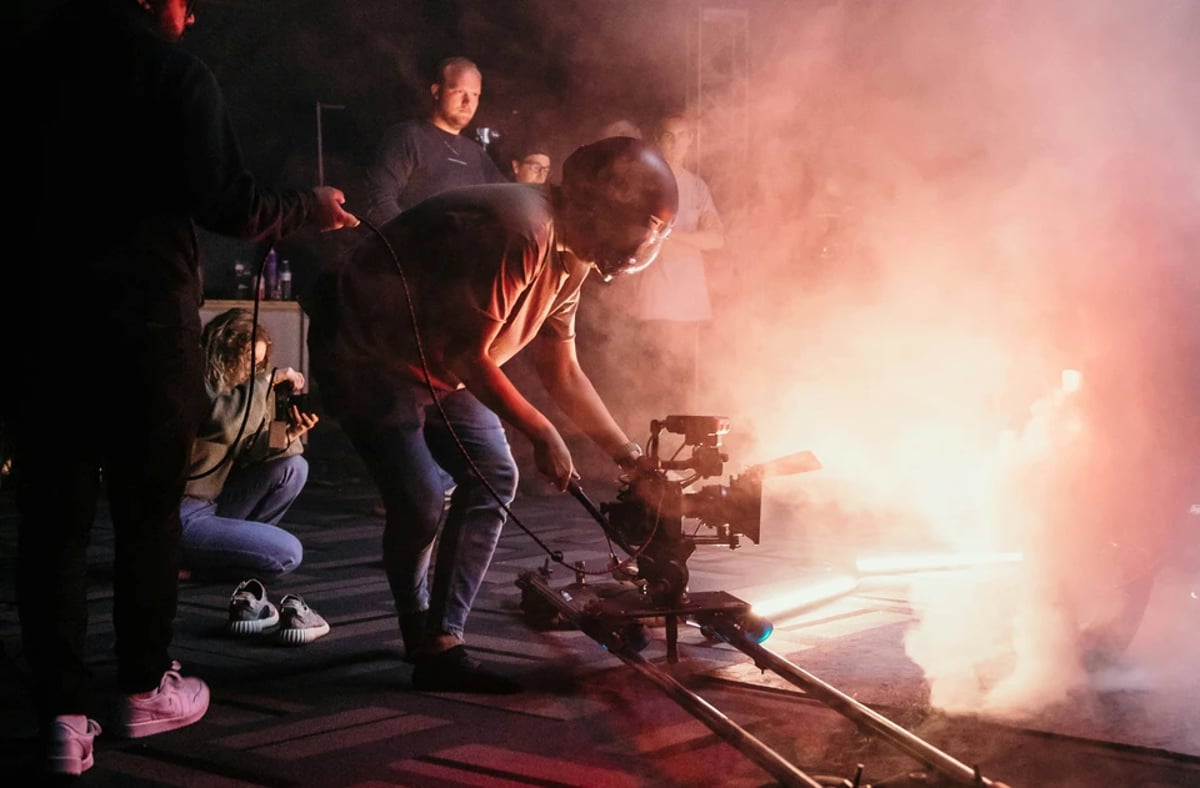
Executive Summary
Rain, smoke, and haze are storytelling tools that live at the intersection of safety, physics, and continuity. This guide covers the full workflow: written risk assessments (RAMS), NFPA 70/OSHA compliance, GFCI and NEMA 3R/4X power distribution, IP65/IP66 fixtures, DMX-controlled hazers with logged run times, wet-down versus active rain strategy, backlighting for on-camera visibility, and shot-by-shot logging so post editorial gets footage that actually cuts together. It also covers the human system: designated safety officer, tailgate meetings, script supervisor logs, and the 1st AC's role in preserving depth-of-field consistency across atmospheric setups.
Table of Contents
1. Safety and Compliance: The Non-Negotiable Foundation
Safety and Compliance: The Non-Negotiable Foundation
The first and most critical consideration when using atmospheric effects is safety. Rain, smoke, and haze introduce unique hazards that must be identified, mitigated, and constantly monitored. Ignoring these protocols not only endangers the crew but can halt production and incur severe penalties.
Every production utilizing atmospheric effects, especially on union or studio projects, begins with a written risk assessment and method statement (RAMS). This document outlines potential hazards (e.g., electrical shock from water, respiratory issues from haze, slip/fall risks), the controls in place to mitigate them, and the procedures for safe operation. This isn't just paperwork; it's a living document that guides on-set behavior.
Local fire code and occupational safety regulations are paramount. In the U.S., this means adhering to standards like NFPA 70 for electrical safety and OSHA guidelines. Equivalent health and safety executives operate internationally. These regulations mandate specific requirements for electrical equipment in wet environments, ventilation for smoke, and general workplace safety practices.
A designated safety officer or key grip must be in command of all atmospheric effects. All cues for rain, smoke, or wind must come from this single point of command, particularly when visibility or footing is compromised. This central control prevents miscommunication and ensures that effects are deployed and ceased safely.
Mandatory safety meetings ("tailgate safety") are essential at the start of any day involving atmospheric effects. These meetings cover specific risks: * Slips, trips, and falls: Wet surfaces are inherently dangerous. Crew must be briefed on proper footwear, designated dry paths, and the placement of anti-slip mats.
* Respiratory issues: Especially with smoke or haze, individuals with sensitivities need to be identified, and air quality monitored.
* Electrical hazards: The combination of water and electricity is lethal. GFCI use, proper cable management, and weatherproof equipment are critical.
* Emergency stop procedures: Clear protocols for immediately shutting down pumps, fans, and generators in an emergency must be understood by everyone.
Electrical safety in wet environments warrants particular attention. Only UL/NRTL-listed weatherproof fixtures and distribution rated for wet locations (e.g., UL 1598 wet-location luminaires) should ever be used. All outdoor 125V 15A and 20A receptacles powering rain effects and lighting are legally required to be GFCI-protected under current NEC 210.8. Power distribution boxes exposed to rain must use NEMA 3R or 4X enclosures; 4X is preferred for high-corrosion environments like coastal shoots.
For smoke and haze, the preference is overwhelmingly for water-based haze from machines compliant with manufacturer guidelines and local indoor air quality standards. Adequate ventilation and air exchange are crucial, requiring coordination with location management and the fire marshal when working indoors. Material Safety Data Sheets (MSDS/SDS) for all fluids (fog juice, glycerin, mineral oil) must be readily available at the safety station.
💡 Pro Tip: Treat rain days like stunt days. Increase lighting and grip crew support, pad schedules to allow for setup and cleanup, and enforce a clear chain of command for "rain off" calls. This proactive staffing and scheduling acknowledges the inherent complexity and increased risk.
Common mistakes include running non-weatherproof fixtures in the rain, ignoring ambient temperature limits for haze machines, failing to brief cast on wet floor risks, and using unapproved DIY smoke sources. These shortcuts not only compromise safety but can lead to equipment damage, production delays, and legal liabilities.
As Roger Deakins often emphasizes, simplicity and safety are paramount. On Blade Runner 2049 (2017), the extensive rain and atmospheric effects were achieved with careful planning and purpose-built, weather-rated equipment, ensuring both the aesthetic vision and the safety of the massive crew.
Designing and Operating Rain Effects
Rain, whether a gentle drizzle or a torrential downpour, is a powerful narrative element. However, its effective use on screen depends on a workflow that integrates lighting, camera, and grip departments from the outset.
The planning phase for rain effects must determine the coverage area, desired rain density (light drizzle versus heavy downpour), wind direction, and the distance of the background. Crucially, pre-visualize how the rain will interact with backlight and exposure. Rain often disappears on camera if not properly lit from behind.
A key distinction is between wet-downs and active rain. For continuity on streets, sidewalks, or building exteriors, wet-downs (spraying ground and surfaces) are often used between setups rather than continuously running overhead rigs. Active, controlled rain is then deployed via rain bars or rain heads for hero angles and background layers, fed from high-capacity pumps and tanks. This approach conserves water, reduces noise, and allows for precise control over the rain's appearance.
Drainage and slip prevention are critical. Always survey slopes and natural drainage paths; never allow water to flood towards electrical distribution, primary walkways, or sensitive equipment. Lay anti-slip mats and trench covers in high-traffic areas, and maintain a clearly marked, dry path to exits.
For the actual execution, overhead rain rigs are typically built from standard grip pipe grids, scaffold, or truss systems. These rigs utilize rain bars/rain heads equipped with multiple nozzles for even coverage, with ball valves allowing for zone-specific density control. For smaller sets or vertical effects, rain towers can be employed. High-flow gas or electric water pumps supply these rigs from water trucks or tanks, with sizing determined by the SFX department based on gallons per minute (GPM) requirements.
💡 Pro Tip: For visible rain on camera, strong backlight through the rain is essential. Combine this with a slight underexposure of the background to make the highlights on individual water droplets pop.
Weather-rated lighting is crucial for rain effects. IP65/IP66 LED pars and wash lights are commonly used for backlighting rain, but even with these, moisture precautions are necessary to prevent water accumulation around fixtures. Proper earthing and overcurrent protection are always required.
Common mistakes include neglecting water quality (hard water can clog nozzles and stain wardrobe), front-lighting rain (making it invisible), and failing to control start/stop timing, leading to continuity breaks. Not locking camera angles and lenses before rigging rain can also result in wasted effort or visible rigging.
Emmanuel Lubezki's work on films like The Revenant (2015) demonstrates how natural and artificial atmospheric effects can merge. While often favoring natural elements, when rain was required, its interaction with light was meticulously planned to enhance the raw, visceral quality of the images. The goal is always for the effect to feel organic to the environment.
Smoke, Haze, and Atmospheric Effects: Visual Continuity and Health
Atmospheric effects like smoke and haze are indispensable for shaping light, adding depth, and creating mood. Understanding the nuances between them and ensuring their consistent application is key to visual continuity.
It's important to distinguish between haze and fog/smoke. Haze refers to a fine, even particulate that softens contrast and makes light beams visible. Fog or smoke, by contrast, is denser, often localized, and creates more opaque clouds or billows. Most cinematic applications lean towards haze for subtle atmospheric presence.
For controlled haze deployment, DMX-controlled hazers are the industry standard, allowing for repeatable output levels. These are often paired with quiet fans to distribute the haze evenly and prevent visible "clouds" or stratification. Monitoring air quality and visibility is crucial to maintain a consistent baseline for the scene.
Coordination with fire systems is non-negotiable for indoor haze use. Location management and fire safety officers must be notified, and fire alarm systems may need temporary isolation under supervision. A strict log of hazer run times, breaks, and air changes is maintained.
Professional hazers from brands like Look Solutions, Rosco, Chauvet, and Martin are widely used. These units typically offer adjustable output and fan speed, and are DMX addressable for precise control from a lighting console. Floor fans, squirrel-cage blowers, and "wind machines" are employed to move and shape the haze, with variable-speed controls for fine-tuning.
💡 Pro Tip: Create a "haze level chart" for each scene. Define low, medium, and high haze levels with reference stills and corresponding DMX values. This becomes an invaluable tool for maintaining continuity across takes and setups.
When lighting for atmospheric beams, high-output spot or profile fixtures (tungsten, HMI, or LED) are used. Attention to color temperature continuity is vital; mixing 3200K tungsten with 5600K daylight sources in haze can create jarring visual shifts. As discussed in our guide on Practical Lighting: Bulbs, Dimming, CRI/TLCI Pitfalls, and Color Control, maintaining a consistent color temperature is key.
The industry has largely shifted towards water-based haze fluids over oil-based options due to better respiratory safety and reduced residue. Modern LED and moving-head fixtures are designed with specific cooling and ventilation clearances that must remain unobstructed during haze use. Blocking these vents can lead to overheating and fixture failure.
Common mistakes include fluctuating haze levels between takes, causing contrast continuity problems; not logging hazer output and fan settings; using excessive haze in small sets; and blocking fixture air vents, which can cause overheating.
The work of Darius Khondji on films like Se7en (1995) often features dense, moody atmospheres. His use of haze is not just for effect but to sculpt light, obscuring elements to create tension and emphasize specific areas of the frame. This intentionality is a hallmark of master cinematographers.
Lighting, Grip, and Set Operations Under Wet and Smoky Conditions
The intersection of atmospheric effects with lighting and grip operations introduces specific challenges that demand rigorous adherence to safety protocols and best practices. Fixtures, rigging, and power distribution must all be handled with extreme care.
Fixture safety and thermal management are paramount. A minimum 1-meter distance must be maintained between hot fixtures and any flammable materials. Crucially, a 0.1-meter clearance is required around cooling fans and air vents; never block intake or exhaust openings, as this can lead to overheating and fixture failure. Fixtures should not be operated if the ambient air temperature exceeds manufacturer limits, typically around 40°C for many stage units.
Rigging and safety in these conditions require redundancy. Every overhead fixture or effect (lights, rain bars, soft boxes, projectors) must have a primary mounting clamp rated for its load and a secondary, independent safety cable anchored to a separate structural point. Quick-release clamps and other hardware must be fully tightened and regularly checked. This redundancy is a non-negotiable safety measure. Further details on secure rigging can be found in Rigging Safety Fundamentals: Overhead, Power Runs, and Set Protocols.
The water and electrical interface demands meticulous planning. Cables must be routed along dry paths, utilizing cable ramps, elevated runs, and drip loops to prevent water ingress. Water accumulation around fixtures and enclosures, especially with stage lights and controllers, must be avoided.
Specific tools include IP65/IP66 moving heads and washes for exterior rain work, designed with sealed housings and conformal-coated circuit boards for moisture resistance. Power distribution relies on UL 1598 wet-location luminaires and NEMA 4X enclosures for outdoor lighting control and power. For corrosive environments, specifying 316-grade stainless steel or UV-resistant fiberglass NEMA 4X enclosures is crucial, as standard carbon-steel boxes can corrode rapidly.
Grip support in wet and smoky conditions utilizes standard equipment: grip stands, combo stands, overhead grids, speed-rail, and truss systems, all rated for the combined loads of fixtures and rain rigs. However, sandbags and ground anchors must be sized appropriately for wet ground, where their effectiveness can be reduced due to higher slip risk.
💡 Pro Tip: Always allow fixtures time to cool after use. Lamps and housings can remain dangerously hot for 5 to 15 minutes. Wear protective gloves and safety goggles, especially when handling gas-discharge lamps, as skin oils can cause uneven heating and potential lamp rupture.
Common mistakes include operating indoor-rated fixtures in rain, bypassing thermal cutoffs (which is dangerous and forbidden), mounting fixtures without proper safety cables, and storing flammable materials too close to hot fixtures.
The meticulous planning seen in films like Dunkirk (2017), where Christopher Nolan and Hoyte van Hoytema frequently integrated natural elements like water and smoke, showcases the importance of resilient grip and lighting setups. Every piece of equipment had to withstand challenging conditions while delivering the precise visual impact required.
Continuity Control, Logging, and Post-Production Coordination
Atmospheric effects, like any other visual element, are critical for storytelling. Their consistency across shots and scenes is paramount for maintaining audience immersion. Therefore, rain, smoke, and haze must be treated as critical continuity variables, logged and controlled with the same rigor as wardrobe or props.
Establishing a "visual continuity spec" for each scene is a best practice. This spec defines key parameters: * Key light direction: From camera-left, camera-right, high side, etc.
* Color temperature: Specific values like warm 3200K tungsten or cool 5600K daylight.
* Haze level: Categorized (low, medium, high) with reference stills.
* Rain density and coverage: Foreground only, full rig, wet-down only, etc.
Drawing from the principles of shot matching and continuity, an establishing shot can serve as a continuity bible or master frame. This shot defines the subject, lighting, camera specifications (lens, aperture, depth of field), background, and color temperature. All subsequent coverage should aim to match these parameters, unless a specific narrative reason dictates a change.
The script supervisor and 1st AC are crucial allies in this process. The script supervisor logs atmospheric conditions shot-by-shot, noting any deviations. The 1st AC meticulously records lens, aperture, focus, and depth of field settings. It is especially important that depth of field remains consistent if the environment is meant to appear unchanged. Our guide on Camera Movement Execution: Grips/Ops Choreography and Rehearsal Method also touches on the importance of meticulous logging for complex shots.
Digital tools and software, such as spreadsheet-based camera reports and script supervisor apps, are used to log specific details: hazer levels, active rain rig zones, wet-down status, and any lighting changes. Camera reports should include F-stop, shutter, focal length, filtration, and color temperature, with additional notes like "medium haze, strong backlight; rain bar B only."
💡 Pro Tip: In heavy atmosphere scenes, build "continuity still boards." Print or display stills from hero angles on tablets, taping them in the lighting truck and near the script supervisor's station. These visual references serve as a quick check every time the scene is reset.
Light meters (incident and reflected) are essential for maintaining consistent exposure across angles. The procedure involves setting the ASA, pointing the meter at the subject, adjusting until pointers align, and then choosing appropriate shutter/f-stop combinations.
Common mistakes include not logging micro-level changes in haze or rain, drastically changing depth of field between shots (which can alter the perceived density of atmosphere), and forgetting that practical lights and windows anchor the perceived direction of light and beams. Moving or relighting these without proper notes will break continuity.
Roger Deakins, in interviews about Sicario (2015), often discusses the importance of consistent atmosphere to convey mood and narrative. His approach to maintaining subtle haze and specific light qualities across an entire sequence highlights the value of meticulous logging and communication between departments. This ensures that the post-production team receives footage that is consistent and requires minimal corrective work.
Common Mistakes
* Ignoring electrical safety protocols: Using non-IP-rated fixtures in wet conditions, bypassing GFCIs, or improper cable management are critical failures.
* Inconsistent atmospheric levels: Allowing haze or rain intensity to fluctuate wildly between takes is a major continuity break that is difficult to fix in post.
* Poor communication: Lack of clear command for starting/stopping effects, or inadequate briefing of cast/crew on safety specifics.
* Neglecting drainage: Failing to plan for water runoff can lead to electrical hazards, damaged equipment, and unsafe walking surfaces.
* Blocking fixture vents: Covering air vents on lights or haze machines to "protect" them can cause overheating, equipment failure, and fire risk.
* Front-lighting rain: This makes rain invisible on camera; rain needs backlight to be seen.
* Not logging parameters: Failing to record specific settings for haze machines, rain rig zones, and lighting setups makes continuity matching impossible.
Interface & Handoff Notes
What you receive (upstream inputs): * Detailed shot list and storyboards indicating atmospheric effects. * Director's vision and DP's lighting plan for atmosphere. * Location scout reports, including power availability and drainage assessment. * Safety plans and permits from production for atmospheric effect use.
What you deliver (downstream outputs): * Safely executed atmospheric effects according to the DP's vision. * Consistent atmospheric conditions across all takes for editorial. * Detailed camera reports and script supervisor notes on atmospheric parameters. * A clean, safe set post-wrap, with all water drained and equipment secured.
Top 3 failure modes for THIS specific topic:
2. Continuity Breaks in Atmosphere: Inconsistent haze levels, rain density, or wet-down areas between shots, creating jarring edits.
3. Equipment Damage/Failure: Operating non-weatherproof gear in wet conditions, or blocking vents on haze machines/lights, leading to costly repairs and downtime.
Browse This Cluster
- Lighting & Grip Masterclass: Prelight Strategy to Set Execution
Next Steps
Ready to see how this fits into the bigger picture? Start with the complete guide.
📚 Complete Guide: Lighting & Grip Masterclass: Prelight Strategy to Set Execution
---
© 2026 BlockReel DAO. All rights reserved. Licensed under CC BY-NC-ND 4.0 • No AI Training. Originally published on BlockReel DAO.